
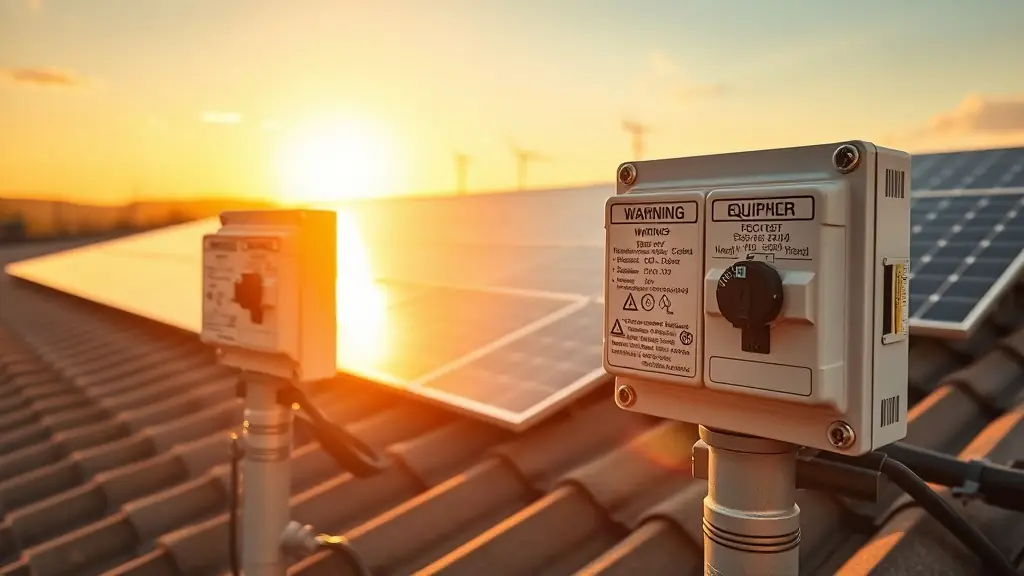
Outdoor phenolic labels need to be specified differently than indoor panel labels. The buyer question is not only “phenolic or acrylic?” It is whether the label material, cap color, engraving contrast, adhesive or hardware, and mounting surface are durable enough for direct sun, weather, and temperature cycling. For rooftop equipment, exterior disconnects, solar PV placards, utility yards, and outdoor industrial equipment, start with UV resistant phenolic labels or UV-stable engraving laminate from the first quote request.
The common failure pattern is simple: a label made from indoor stock looks correct on day one, then loses contrast after months or years of UV exposure. The engraved text may still exist in the material, but the cap color has faded or chalked enough that the core no longer reads clearly from a normal working distance. Outdoor durability has to be part of the material specification, not a last-minute installation detail.
What UV exposure does to phenolic labels
Ultraviolet light breaks down pigments and surface finishes. On standard engraving ply, the cap can chalk, dull, or shift color. Since engraved phenolic labels work by cutting through the cap layer to reveal a contrasting core, the whole label depends on that color contrast. Heat cycling compounds the issue because outdoor labels expand and contract as equipment heats in direct sun and cools at night.
UV resistant phenolic labels versus indoor engraving stock
Most modern “phenolic” labels are multi-layer acrylic engraving laminates, and that is often the correct material. The important distinction is indoor grade versus UV-stable outdoor grade. Outdoor phenolic labels should use exterior-rated engraving stock with a cap layer formulated for sunlight and weather. Standard indoor material should not be installed outside just because it matches the color chart.
If a project drawing says phenolic but the installation is outside, tell the engraver both facts. The shop can confirm whether the project needs true resin-based phenolic, UV-stable acrylic engraving laminate, a specific thickness, or a specific color/core combination.
Engraved text holds up where printed ink is vulnerable
A printed outdoor label depends on surface ink, adhesive, and often a protective laminate. Those materials can be correct when they are rated for the environment, especially for variable data, barcodes, and information that changes. Engraving is different: the message is cut into the material, so there is no printed surface layer to rub off. For permanent equipment identity, engraved outdoor labels remove one common failure point.
Where outdoor phenolic labels are used
Outdoor phenolic labels show up anywhere permanent identification has to remain legible outside: solar PV disconnects, combiner boxes, inverter placards, rapid-shutdown labels, rooftop HVAC disconnects, utility meter panels, exterior switchgear, pump stations, yard equipment, and industrial enclosures. Solar projects are especially common because many placards live on rooftops or ground-mount arrays for the life of the system.
For solar and renewable-energy work, assume every exterior placard needs outdoor-grade stock unless the plan set clearly says otherwise. Junction boxes, combiner panels, ground-level disconnects, and rooftop equipment can all see the same sunlight, heat, and weather.
Mounting matters as much as material
A UV-stable label can still fail early when it is mounted with the wrong adhesive or hardware. Standard pressure-sensitive adhesive can lose bond as metal, fiberglass, and painted enclosures expand and contract. For long-term outdoor installation, use mechanical fasteners such as screws or rivets when possible, or a high-bond outdoor-rated adhesive matched to the surface and temperature range.
Send the mounting surface with the quote request: painted metal, bare aluminum, stainless, fiberglass, plastic enclosure, or masonry. The right answer may be pre-drilled holes, adhesive backing, or both.
How to order outdoor labels correctly
For an outdoor phenolic label quote, send the label text, size, color pair, quantity, mounting method, installation environment, and whether the label will see direct sun. If the order is for solar PV, send the plan set, one-line, placard schedule, or equipment list so the labels can be grouped by inverter, combiner, disconnect, array, or building area.
For code-driven markings, durability is tied to the environment involved. That means the label, attachment method, and readability all matter. If inspection, shutdown, or maintenance depends on the marking, specify the outdoor-grade engraved version up front.
Common questions
Are phenolic labels UV resistant?
They can be, but only when the material is specified for outdoor or UV-stable use. Do not assume every phenolic-style engraving stock is suitable for direct sun.
Are acrylic engraving laminates acceptable outdoors?
Yes, when the acrylic engraving laminate is an exterior or UV-stable grade. Many outdoor phenolic labels today are made from UV-stable layered acrylic stock rather than true resin-based phenolic.
What color combination works best outside?
High-contrast combinations such as white on black, black on white, or black on yellow usually read best. The material grade still matters more than the color alone.
Should outdoor labels be adhesive-backed or mechanically fastened?
Mechanical fastening is usually the strongest long-term choice. Outdoor-rated adhesive can work when the surface, temperature range, and preparation are correct.
If a project includes exterior placards, rooftop equipment, or solar PV markings, mention the outdoor exposure when you request a quote. See our solar PV label engraving, engraved vs. printed label guide, and phenolic vs. acrylic material guide for the related specification decisions.
Confirm substrate and exposure requirements against our material specifications and manufacturer references before ordering.